
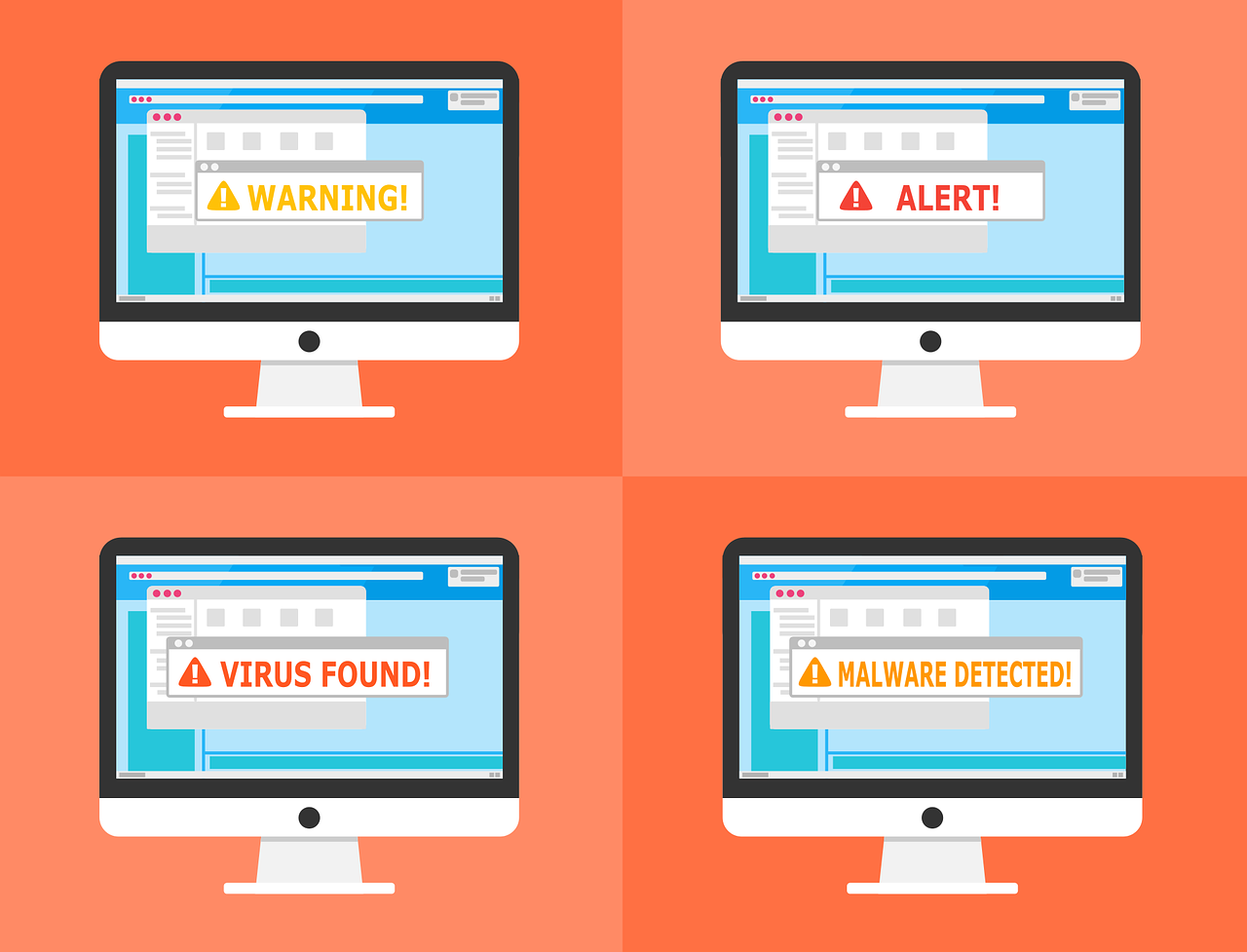
In today’s world, everything’s connected. That includes the software your business relies on. Whether you’ve installed that software locally or use it in the cloud.
Protecting the entire process that creates and delivers your software is very important. From the tools developers use to the way updates reach your computer, every step matters. A breach or vulnerability in any part of this chain can have severe consequences.
A recent example is the global IT outage that happened last July. This outage brought down airlines, banks, and many other businesses. The culprit for the outage was an update gone wrong. This update came from a software supplier called CrowdStrike. It turns out that the company was a link in a LOT of software supply chains.
What can you do to avoid a similar supply chain-related issue? Let’s talk about why securing your software supply chain is absolutely essential.
Modern software relies on several components. These include open-source libraries, third-party APIs, and cloud services. Each component introduces potential vulnerabilities. Ensuring the security of each part is essential to maintaining system integrity.
Today’s systems are highly interconnected. A vulnerability in one part of the supply chain can affect many systems. For example, a compromised library can impact every application that uses it. The interdependence means that a single weak link can cause widespread issues.
Continuous integration and deployment (CI/CD) practices are now common. These practices involve frequent updates and integrations of software. While this speeds up development, it also increases the risk of introducing vulnerabilities. Securing the CI/CD pipeline is crucial to prevent the introduction of malicious code.
Cyber attackers are increasingly targeting the software supply chain. Attackers infiltrate trusted software to gain access to wider networks. This method is often more effective than direct attacks on well-defended systems.
Attackers use sophisticated techniques to exploit supply chain vulnerabilities. These include advanced malware, zero-day exploits, and social engineering. The complexity of these attacks makes them difficult to detect and mitigate. A robust security posture is necessary to defend against these threats.
A successful attack can result in significant financial and reputational damage. Companies may face regulatory fines, legal costs, and loss of customer trust. Recovering from a breach can be a lengthy and expensive process. Proactively securing the supply chain helps avoid these costly consequences.
Various industries have strict compliance standards for software security. These include regulations like GDPR, HIPAA, and the Cybersecurity Maturity Model Certification (CMMC). Non-compliance can result in severe penalties. Ensuring supply chain security helps meet these regulatory requirements.
Regulations often require robust vendor risk management. Companies must ensure that their suppliers adhere to security best practices. This includes assessing and monitoring vendor security measures. A secure supply chain involves verifying that all partners meet compliance standards.
Regulations emphasize data protection and privacy. Securing the supply chain helps protect sensitive data from unauthorized access. This is especially important for industries like finance and healthcare. In these industries, data breaches can have serious consequences.
A secure supply chain helps prevent disruptions in business operations. Cyber-attacks can lead to downtime, impacting productivity and revenue. Ensuring the integrity of the supply chain minimizes the risk of operational disruptions.
Customers and partners expect secure and reliable software. A breach can erode trust and damage business relationships. By securing the supply chain, companies can maintain the trust of their stakeholders.
Use strong authentication methods for all components of the supply chain. This includes multi-factor authentication (MFA) and secure access controls. Ensure that only authorized personnel can access critical systems and data.
Keep all software components up to date, but don’t do all systems at once. Apply patches and updates to a few systems first. If those systems aren’t negatively affected, then roll out the update more widely.
Perform regular security audits of the supply chain. This involves assessing the security measures of all vendors and partners. Identify and address any weaknesses or gaps in security practices. Audits help ensure ongoing compliance with security standards.
Adopt secure development practices to reduce vulnerabilities. This includes code reviews, static analysis, and penetration testing. Ensure that security is integrated into the development lifecycle from the start.
Install continuous monitoring for threats and anomalies. Use tools like intrusion detection systems (IDS). As well as security information and event management (SIEM) systems. Monitoring helps detect and respond to potential threats in real-time.
Educate and train staff on supply chain security. This includes developers, IT personnel, and management. Awareness and training help ensure that everyone understands their role in maintaining security.
Securing your software supply chain is no longer optional. A breach or outage can have severe financial and operational consequences. Investing in supply chain security is crucial for the resilience of any business.
Need some help managing technology vendors or securing your digital supply chain? Reach out today and let’s chat.
—
This Article has been Republished with Permission from The Technology Press.
 October 29, 2025
Cloud, On-Prem or Colocation
October 29, 2025
Cloud, On-Prem or Colocation
 March 25, 2025
8 Ways to Organize Your Devices for Productivity
March 25, 2025
8 Ways to Organize Your Devices for Productivity
 March 20, 2025
How to Minimize Ransomware Damage
March 20, 2025
How to Minimize Ransomware Damage
Join the numerous SMBs that have chosen Share IT to streamline their IT operations and boost their business efficiency. Contact us today to discover how we can tailor our IT solutions to your business needs and help you achieve your strategic goals.

We go above and beyond to exceed customer expectations by consistently delivering superior IT services, based on unique needs. Our goal is to foster long-lasting partnerships based on trust and reliability, empowering businesses to focus on their core competencies by relieving IT stress.


Customised IT solutions – tailored to the unique needs of your business rather than the “one size fits all” approach. Taking time to understand your business objectives, creating tailored, adaptable technology strategies to enable growth and success.

In house, UK based helpdesk services offering named technicians who develop a deep understanding of your business. Direct, open lines of communication to ensure strong partnerships, prompt, tailored solutions, and exceptional service delivery.

Adaptable contracts without the need for long-term obligations. Our customers stay with us because of the value they place upon our services, not because they are tied in without a choice. This mutual fit brings peace of mind, financial flexibility, and ongoing positive partnerships.


